
An agricultural remedy is defined under Act 36 of 1947 as:
“Any chemical substance or biological remedy, or any mixture or combination thereof, intended for use in the destruction, control, repelling, attraction or prevention of any undesired organism such as microbes, algae, nematodes, fungi, insects, plants, vertebrates or invertebrates, or any product of such organisms. It also includes substances used as plant growth regulators, defoliants, desiccants or legume inoculants, and any other substance declared by the Minister to be an agricultural remedy.”
Key Interpretation
In practical regulatory terms:
- Agricultural remedies are plant protection or crop management products.
- They include pesticides, fungicides, herbicides, nematicides, biopesticides, plant growth regulators, attractants, repellents and similar products.
- These products must be registered under Act 36 of 1947 before it can be sold or used commercially.
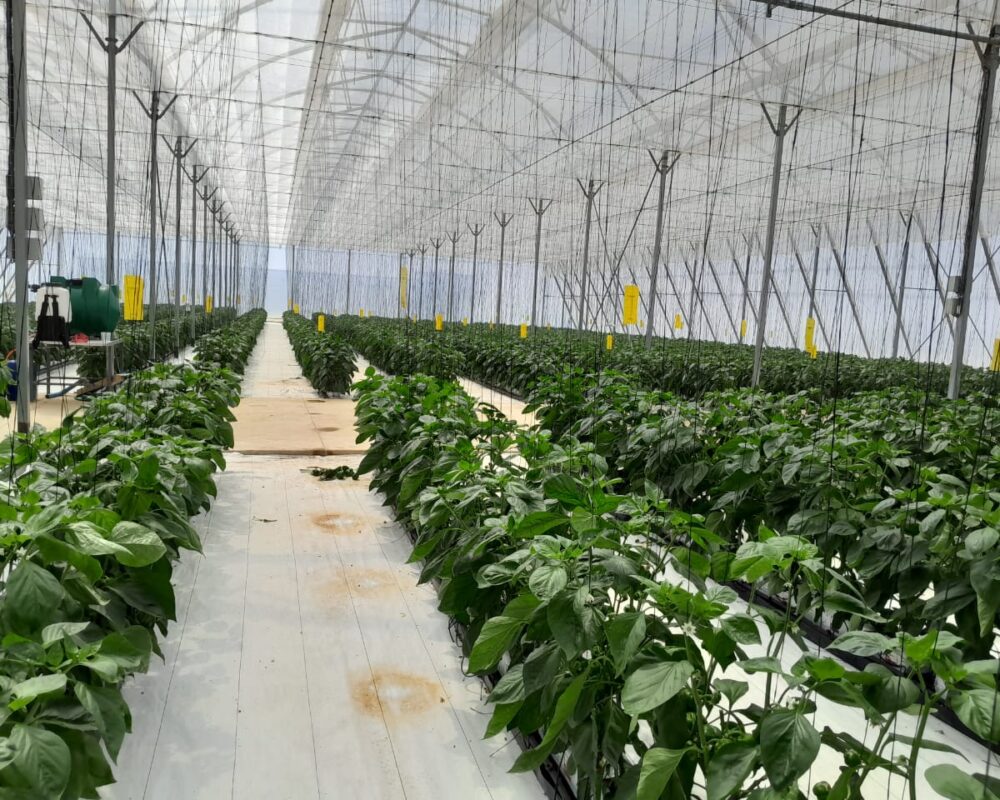
AgAssist facilitates regulatory-compliant Agri-Remedy trials in South Africa under Act 36 of 1947, supporting international and local companies in generating the data required for product registration.
We coordinate the full trial process, including protocol development, site selection across key agricultural regions, trial implementation, monitoring, statistical analysis, and regulatory report compilation. Trials evaluate biological efficacy, phytotoxicity, and residue behaviour under representative South African conditions, with replicated studies across multiple sites to account for climatic and agronomic variability.
From 25 August 2025, efficacy trials must comply with EPPO Good Experimental Practice (GEP) standards, while residue studies (field and laboratory phases) must comply with OECD Good Laboratory Practice (GLP).
Trial studies typically focus on biopesticides, conventional crop protection products (insecticides, herbicides, fungicides, bactericides and nematicides), plant growth regulators, adjuvants, and seed treatments, ensuring scientifically robust data to support registration and market access.
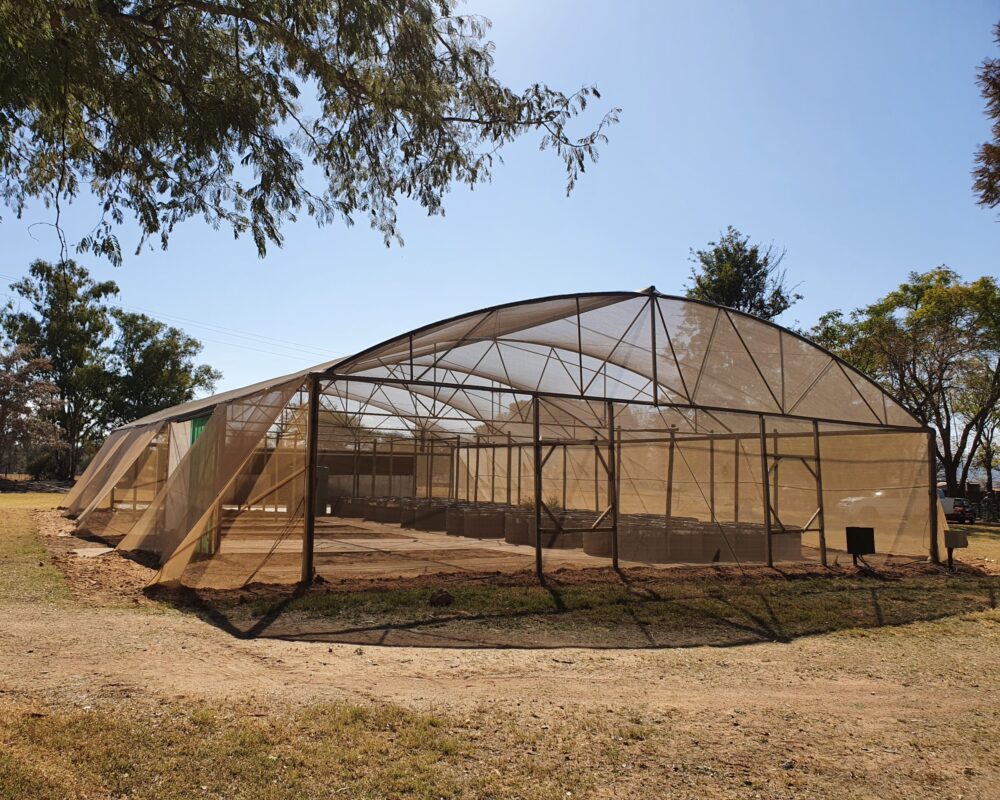
Under Act 36 of 1947, a Group 3 fertiliser is defined as any natural or synthetic substance or organism that improves plant growth or yield, or enhances the physical, chemical, or biological condition of the soil. These products include biostimulants, biofertilisers, seaweed extracts, organic acids, plant extracts, soil conditioners, fertiliser coatings, and moisture-retention products.
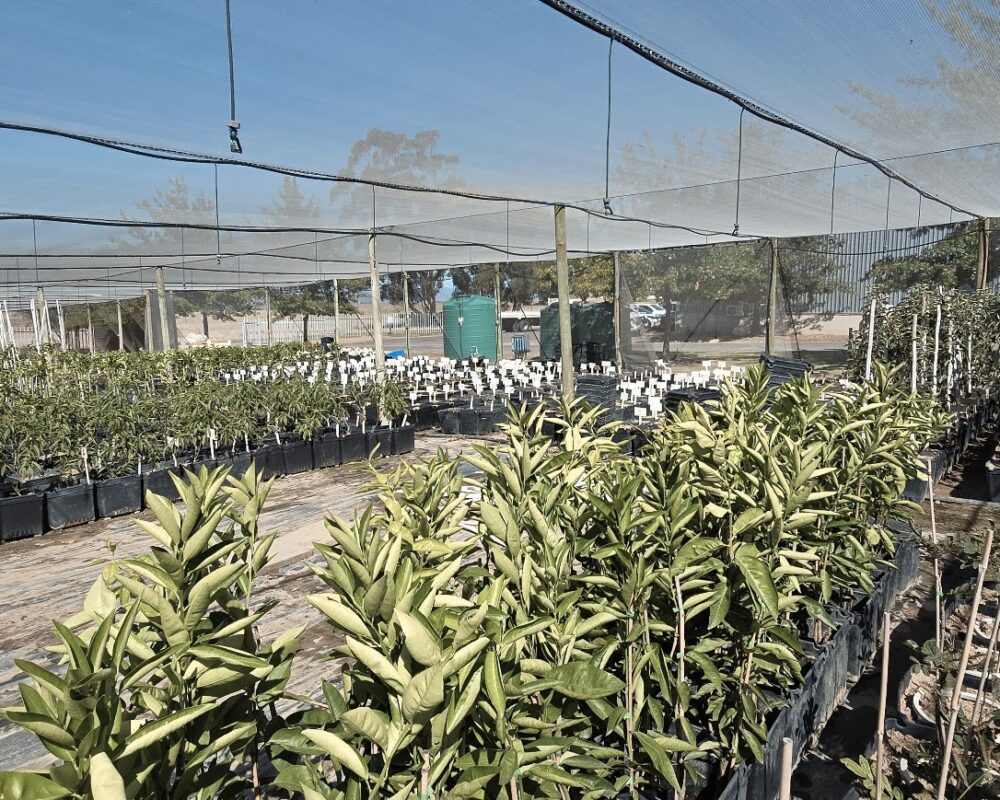
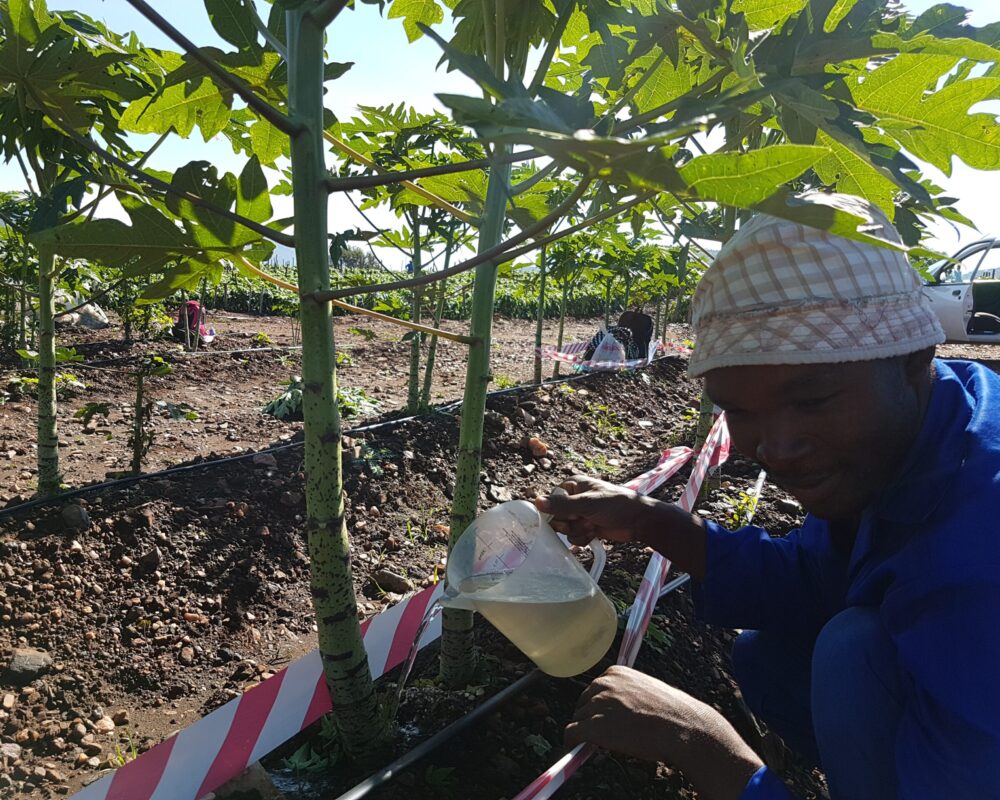
AgAssist facilitates Group 3 fertiliser trials to generate scientifically defensible efficacy and phytotoxicity data required for registration. Trials are conducted in controlled environments (pot, greenhouse, or growth chamber) or under field conditions, with appropriate controls, replication, and statistical analysis to demonstrate product performance.
Unlike agricultural remedy trials, Group 3 fertiliser studies are not required to be EPPO GEP compliant, although trials must still follow sound scientific methodology and be conducted by qualified scientists.
Pot trials are often the fastest pathway for regulatory registration, allowing rapid demonstration of plant growth, nutrient uptake or yield responses under controlled conditions. Field trials, however, provide stronger commercial validation data, allowing the same study to support both regulatory registration and future marketing claims.
Trial data generated by AgAssist supports the registration of products such as:
- Microbial products (bio-fertilisers)
- Organic acids (humic acid, fulvic acid)
- Protein sources (Hydrolysates and amino acids)
- Seaweed extracts
- Botanical extracts and chitosan
- Soil conditioners
- Water-retention products (polymers)
- Inorganic compounds (silica and trace elements)
Through strategic trial design, AgAssist enables clients to generate registration-ready scientific data while simultaneously producing commercially valuable performance data for market adoption.


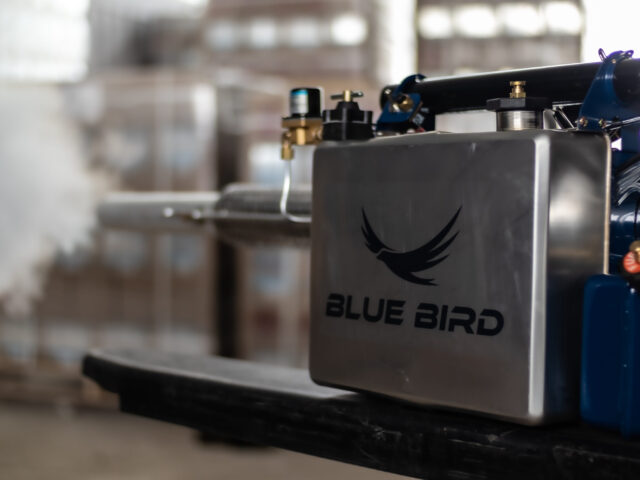

AgAssist facilitates household pesticide efficacy trials in accordance with Act 36 of 1947, supporting the generation of scientifically robust data required for product registration and market entry in South Africa.
Our studies focus on the controlled screening and efficacy evaluation of insecticides targeting common household pests, including flies, termites, cockroaches, mosquitoes, and stored-product insects such as meal moths. Studies are conducted under controlled laboratory or semi-controlled conditions, allowing precise assessment of product performance, knockdown effect, mortality rates, and residual activity.
All studies are designed and executed according to EPPO GEP principles, ensuring scientifically sound methodologies, appropriate replication, statistical analysis, and defensible reporting suitable for regulatory submission.
AgAssist supports the development and registration of a wide range of household pest control products, including:
- Chemical insecticides
- Biopesticides and microbial insecticides
- Repellents and deterrent products
- Residual surface treatments
- Aerosols, baits, gels, and contact formulations
Through structured trial design and rigorous data generation, AgAssist provides registration-ready efficacy data while supporting product positioning for the household pest control market.
This service involves the evaluation and performance testing of animal feeds, feed additives and nutritional supplements intended for livestock and companion animals. Farm feeds include any substance or mixture intended to provide nutritive value or support animal health and productivity.
Our studies assess the safety, nutritional adequacy, and efficacy of products across relevant animal species such as cattle, poultry, swine, sheep, goats, horses, fish, and other livestock. Testing may include feed additives, premixes, supplements, raw materials, and complete or complementary feeds.
Trial designs and data generation are aligned with the regulatory framework of Act 36 of 1947, ensuring that submissions can support product registration or regulatory review in South Africa.
Our studies follow internationally accepted scientific standards and EPPO Good Experimental Practice (GEP) principles to ensure reliable, reproducible and regulator-acceptable data.
Key classes of farm feed products evaluated include:
- Raw materials (plant or animal origin nutrient sources)
- Feed additives (nutritional, technological, sensory or zootechnical additives)
- Premixtures (concentrated mixtures of feed additives and carriers)
- Livestock feeds (complete feeds, concentrates and supplements)



In compliance with